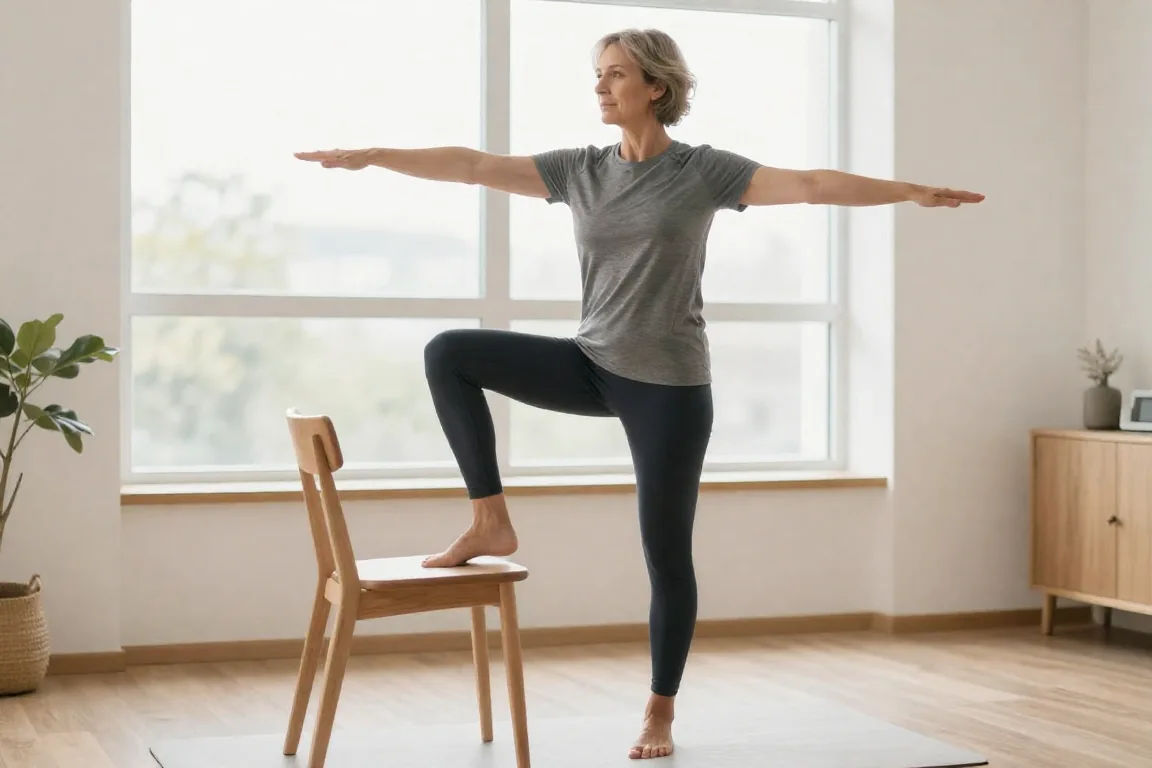

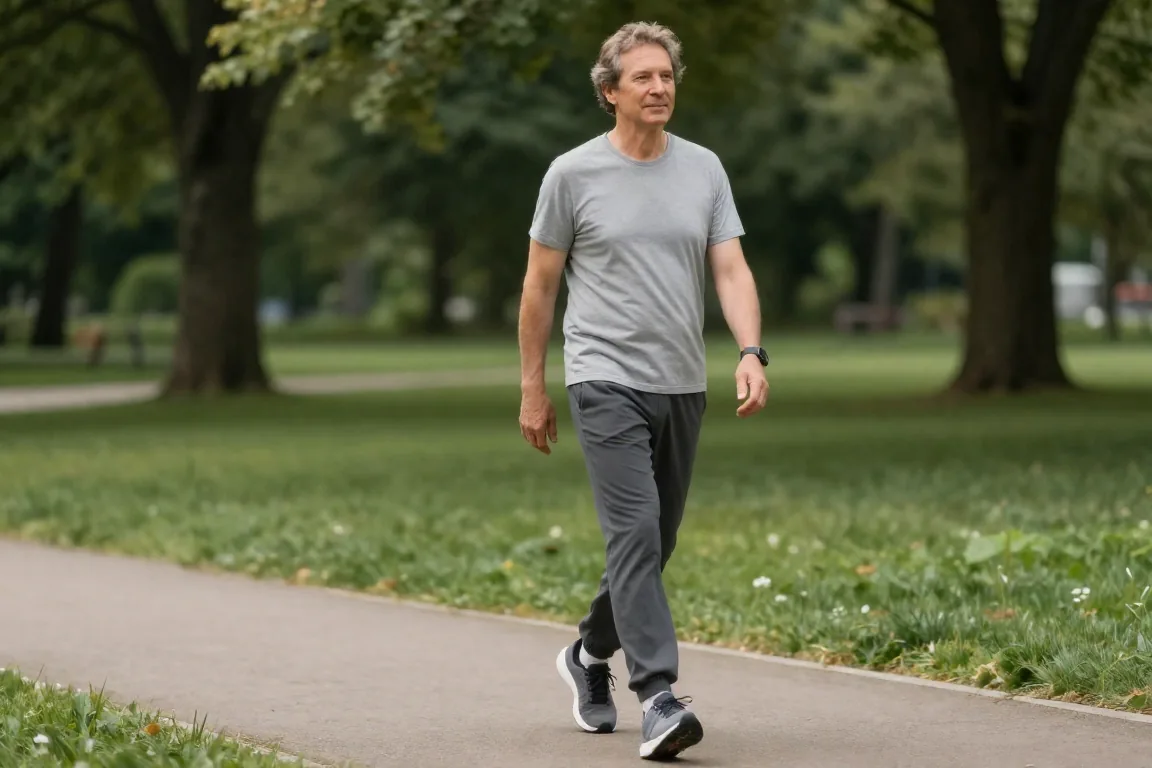
Somewhere along the way, many people quietly accept that achy knees are just part of getting older, something to work around rather than something to address. If climbing stairs, kneeling in the garden, or walking around the block has started to come with knee discomfort, it is worth knowing that this outlook, while understandable, is not fully supported by the evidence. Knee osteoarthritis is common with age, but “common” is not the same as “unmanageable,” and some approaches have real research behind them.
This matters because knee pain is one of the leading reasons older adults report difficulty with everyday movement, and it can gradually narrow what people feel able to do—walking shorter distances, skipping activities with grandchildren, or avoiding stairs. Understanding what actually helps, rather than defaulting to “just live with it,” gives people more agency over a condition that affects daily quality of life directly.
Understanding Knee Osteoarthritis
Osteoarthritis develops when the cartilage that cushions the ends of bones within a joint gradually wears down, changing how the joint moves and, for many people, causing pain, stiffness, or swelling, especially after activity or upon waking. It is the most common form of arthritis and becomes more frequent with age, though age is only one contributing factor.
Body weight plays a significant mechanical role: every extra pound of body weight translates into several pounds of additional force across the knee joint with each step, which is part of why weight and joint load are so closely connected in both the development and the management of knee osteoarthritis. Other contributors include previous joint injury, genetics, and muscle weakness around the joint, which reduces the knee’s ability to absorb and distribute force efficiently. It is worth being clear that osteoarthritis is a joint condition, not simply “wear and tear” in a way that implies inevitability or that nothing can be done—current understanding recognizes that symptoms and function can respond, at least in part, to modifiable factors, even though no single strategy can guarantee prevention or reverse established joint changes.
What the Evidence Says
A systematic review focused specifically on very old patients (average age 70 and above) examined clinical trials on non-drug approaches to hip and knee osteoarthritis, including exercise, aquatic exercise, and weight loss. The review found that land-based physical exercise was effective for pain and function in the majority of controlled trials it examined, and that aquatic exercise performed comparably to land-based exercise while being especially well tolerated in people with more advanced joint pain. On weight loss specifically, the review found that combining diet-based weight loss with exercise produced meaningful improvements in pain and function, while weight loss alone, without an exercise component, did not show the same benefit—suggesting the combination, rather than either strategy in isolation, is where the clearest evidence lies.
This aligns with a broader body of osteoarthritis research: multiple rheumatology and geriatric organizations, including the European League Against Rheumatism, have long recommended a combination of exercise and weight management, where relevant, as core non-drug approaches to knee osteoarthritis, alongside patient education. The very-old-patient review is a useful addition because most osteoarthritis trials are conducted in people with an average age between 60 and 70, so it specifically confirms that these same recommendations continue to apply, with appropriate modification, in patients aged 70 to 80.
It is worth being candid about the limits here: most trials in this area are relatively small, follow-up periods are often short, and effects on pain tend to be somewhat less consistent across studies than effects on physical function. Exercise and weight management are supported as effective, evidence-based strategies—they are not described in the research as a cure, and individual results vary based on the severity of joint damage and other health factors.
Practical Strategies
The research points toward a combination approach rather than a single fix.
- Start with low-impact movement. Walking, stationary cycling, and water-based exercise place less stress on the joint than high-impact activity while still building the strength and mobility linked to reduced pain in the research.
- Add targeted strengthening. Exercises that strengthen the muscles around the knee, particularly the quadriceps, help the joint absorb load more effectively; a physical therapist can identify which specific exercises fit your situation.
- Consider aquatic exercise if land-based movement is painful. Water’s buoyancy reduces joint loading while still providing resistance, making it a well-tolerated starting point for people with more significant pain.
- Address weight gradually, in combination with exercise. If weight loss is relevant for you, the research suggests it is most effective paired with exercise rather than attempted through diet changes alone; even modest, sustained weight loss combined with activity has shown meaningful benefit in trials.
- Build activity gradually. Starting with shorter sessions and building up, rather than resuming a previous activity level all at once, reduces the risk of a flare-up discouraging continued effort.
Common Mistakes and Misconceptions
One widespread misconception is that resting a painful joint is the safest response. In practice, appropriate movement is more often part of managing osteoarthritis than avoiding it altogether; prolonged inactivity tends to weaken the surrounding muscles further, which can make pain and function worse over time rather than better. This does not mean pushing through sharp or worsening pain, but it does mean that mild, temporary discomfort may sometimes occur when beginning an appropriate program. Sharp, escalating, or persistent pain should not be pushed through and deserves professional guidance.
Another mistake is treating weight loss and exercise as interchangeable strategies. As the research above indicates, the two appear to work best together rather than as substitutes for one another, and expecting either alone to produce the same result as the combination may lead to disappointment and giving up prematurely.
It is also a misconception that osteoarthritis only affects older adults or is purely a result of aging; injury history and joint alignment can bring on symptoms earlier, and management approaches are broadly similar regardless of the age at which symptoms begin.
When to Seek Professional Help
A conversation with a doctor or physical therapist is reasonable if knee pain is limiting daily activities, has lasted more than a few weeks, or if you are unsure which exercises are appropriate for your level of joint discomfort. A physical therapist can also help distinguish which movements are likely to help versus which might aggravate a particular pattern of joint wear, which is difficult to determine on your own.
Sudden, severe swelling, inability to bear weight on the joint, visible deformity, fever alongside joint pain, or pain following a specific injury are different from the gradual discomfort typical of osteoarthritis and warrant prompt medical evaluation rather than a home exercise approach.
The Bottom Line
Knee osteoarthritis is common with age, but the evidence does not support treating ongoing knee pain as something to simply endure. Research specifically examining older and very old patients shows that exercise, including land-based and aquatic options, along with weight management where relevant, offers a real, evidence-supported way to reduce pain and improve function. The combination of movement and, when applicable, weight loss appears more effective than either approach alone.
Sources
- The Open Rheumatology Journal: Physical Exercise and Weight Loss for Hip and Knee Osteoarthritis in Very Old Patients: A Systematic Review of the Literature
- Annals of the Rheumatic Diseases: EULAR Recommendations for the Management of Knee Osteoarthritis
Continue Your Wellness Journey
Explore our science-informed resources and discover practical strategies that may support your health goals.