
Maybe a routine scan flagged low bone density, or maybe a friend’s hip fracture made you start wondering about your own bones for the first time. Either way, once bone health becomes a concern, the advice that usually follows—”get enough calcium”—can feel incomplete. Calcium matters, but it is only part of the picture, and many people are left unsure what else, if anything, actually makes a measurable difference.
This matters because fractures linked to bone fragility, especially hip fractures, are strongly associated with loss of independence and are taken seriously by the medical community precisely because recovery can be difficult and life-altering. The good news is that bone health responds to certain everyday actions, and the research on which ones actually help is more specific than most general wellness advice suggests.
Why Bone Density Declines With Age
Bone is living tissue that is constantly being broken down and rebuilt throughout life, a process regulated by cells that remove old bone and cells that build new bone. In younger adulthood, these processes are roughly balanced, but starting around midlife, breakdown gradually outpaces rebuilding, leading to a slow, cumulative loss of bone density. This shift happens in everyone to some degree, but it accelerates for women in the years around menopause, when declining estrogen removes some of the natural protection the hormone provides for bone maintenance.
Several other factors influence how quickly this decline proceeds, including genetics, body weight, smoking, and how physically active a person is over their lifetime. Mechanical loading—the stress placed on bone through weight-bearing movement—is a direct biological signal that tells the body to maintain or build bone tissue, which is part of why inactivity accelerates bone loss beyond what aging alone would cause. None of this means low bone density is a foregone conclusion or a disease in itself; it exists on a spectrum, and a diagnosis of low density is different from a diagnosis of osteoporosis, which involves a more specific degree of loss.
What the Evidence Says
A systematic review conducted to help inform the World Health Organization’s global physical activity guidelines examined the relationship between physical activity and bone health in adults aged 65 and older. Pooling data from dozens of trials, the review found that physical activity interventions probably improve bone health overall, with moderate-certainty evidence for improvements in lumbar spine bone mineral density and lower-certainty evidence for improvements at the hip. The review also found that higher doses of activity, and programs that combined multiple types of exercise or included resistance training, tended to produce the clearest benefits—typical effective programs involved sessions of 60 minutes or more, two to three times a week, sustained for seven months or longer.
This points to an important nuance: not all movement affects bone equally. Bone responds most to activities that load it directly, such as resistance training, brisk walking, stair climbing, or other weight-bearing movement, more than to non-weight-bearing activities like swimming or cycling, which offer excellent cardiovascular benefits but less direct mechanical stimulus for bone. The review’s authors were careful to describe the certainty of evidence as moderate rather than high for most outcomes, reflecting real variation across studies in exercise type, duration, and participant characteristics—this is a case where the evidence supports a real effect without guaranteeing a precise, individual result.
On the nutrition side, adequate calcium and vitamin D remain foundational, since bone tissue cannot be built without the raw materials and the hormonal signaling vitamin D supports. The National Institutes of Health’s Osteoporosis and Related Bone Diseases National Resource Center outlines calcium- and vitamin D-rich food sources and notes that many people get less than half the calcium they need through diet alone, alongside emphasizing that avoiding excess alcohol and smoking cessation both support bone health.
Protein is also relevant, but the evidence should be interpreted cautiously. A 2019 systematic review and meta-analysis in adults aged 65 and older found a positive trend between higher protein intake and bone mineral density at some sites, and an association with lower hip-fracture risk. Most of the included evidence was observational, with only one randomized trial, so this does not establish that increasing protein alone builds stronger bones. Protein intake is best considered alongside overall nutrition, resistance exercise, kidney health, and individual dietary needs.
Practical Strategies
Building or maintaining bone strength combines movement and nutrition, and most of it can be done without special equipment.
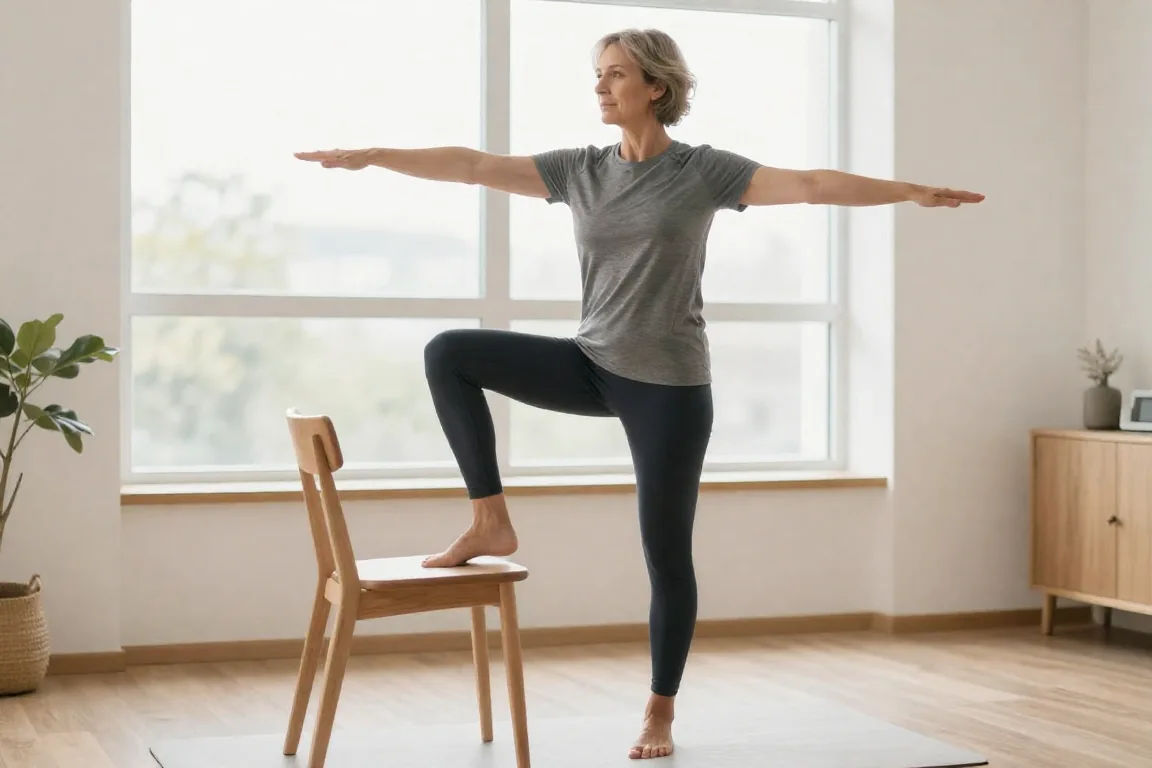
- Prioritize weight-bearing movement. Walking, climbing stairs, dancing, or hiking places direct load on bone and is a reasonable starting point for most people, especially when done regularly rather than occasionally.
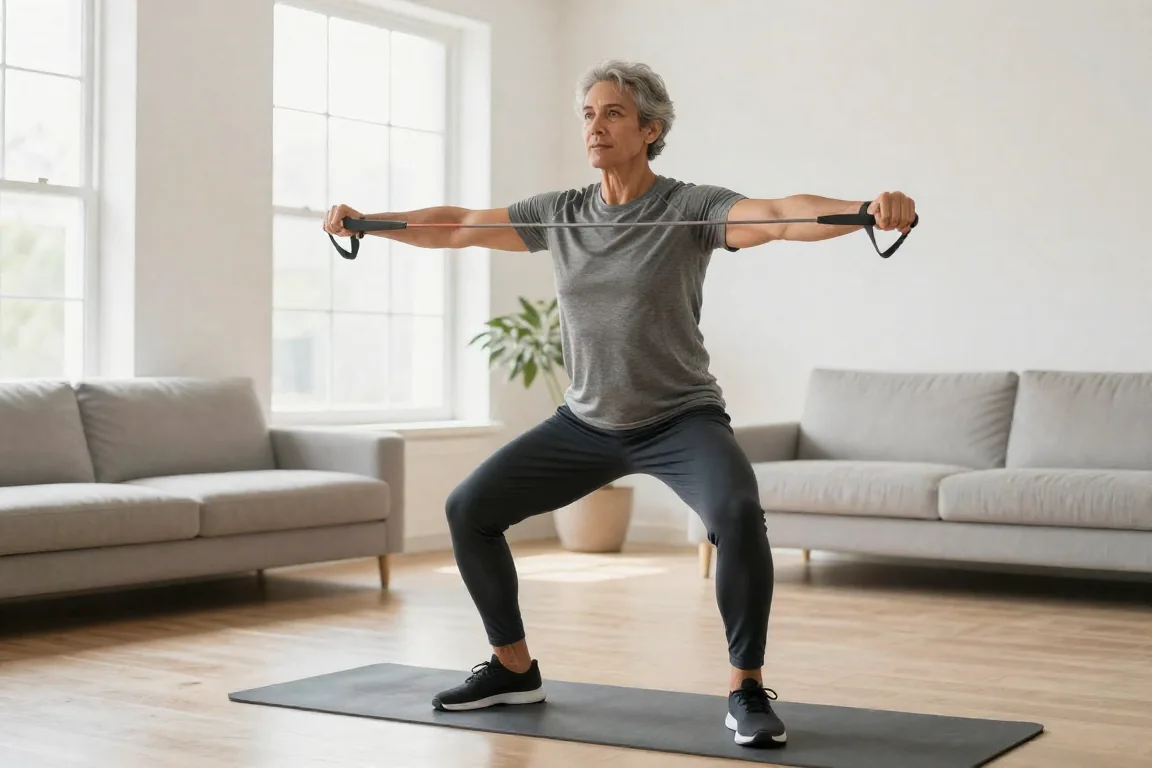
- Add resistance training. Bodyweight exercises, resistance bands, or light weights performed two to three times a week were part of the programs most consistently linked to bone health benefits in the research; starting with lighter resistance and progressing gradually reduces injury risk.
- Include adequate dietary protein. Foods such as fish, eggs, dairy, beans, lentils, tofu, poultry, and other protein sources can support overall nutrition and muscle function. Do not treat a high-protein diet as a stand-alone osteoporosis strategy, and seek individual guidance if you have kidney disease or dietary restrictions.
- Get calcium primarily from food. Dairy products, fortified plant milks, leafy greens, and fortified orange juice or cereals are common sources; a doctor or dietitian can help determine whether a supplement is appropriate for your individual intake and needs.
- Check vitamin D status. Since vitamin D is harder to obtain from diet alone and sun exposure varies widely by season and skin tone, a blood test can clarify whether supplementation makes sense for you specifically, rather than guessing.
- Avoid smoking and limit alcohol. Both are independently associated with weaker bone health over time, separate from any effect on other body systems.
Anyone starting a new resistance or high-impact exercise program, particularly after a low bone density diagnosis, benefits from guidance on which movements are safe, since certain high-impact or spine-flexion movements may need to be modified depending on individual fracture risk.
Common Mistakes and Misconceptions
A frequent misconception is that calcium supplements alone will meaningfully improve bone density. Calcium is necessary but not sufficient; without the mechanical stimulus of weight-bearing and resistance exercise, and without adequate vitamin D to support calcium absorption and use, supplementation alone has limited impact on bone strength.
Another mistake is assuming that any exercise counts equally for bone health. Swimming and cycling are valuable for cardiovascular fitness and joint-friendly movement, but because they do not load bone against gravity in the same way walking or resistance training does, they should generally be added to, rather than substituted for, weight-bearing activity when the specific goal is bone health.
It is also a mistake to treat a single bone density scan as the final word. Bone density changes gradually, and follow-up testing over time, along with consistent habits, gives a more accurate picture of whether an approach is working than one snapshot in isolation.
When to Seek Professional Help
A conversation with a doctor about bone density testing (commonly a DXA scan) is reasonable for postmenopausal women, men over 70, or anyone with risk factors such as a family history of osteoporosis, long-term steroid use, or a previous fracture from a minor fall. If you have already been told you have low bone density or osteoporosis, a physical therapist can help design an exercise program that builds strength safely without unnecessarily increasing fracture risk.
A fracture that occurs from a fall at standing height or lower—sometimes called a fragility fracture—deserves prompt medical evaluation, since it can be an important signal about underlying bone health that goes beyond the injury itself.
The Bottom Line
Bone health depends on more than calcium intake alone. The research most directly aimed at informing physical activity guidelines shows that weight-bearing and resistance exercise, sustained consistently over months, offers a real and evidence-supported way to support bone density alongside adequate calcium and vitamin D. No single habit guarantees an outcome, but combining movement and nutrition gives your bones the best realistic chance of staying strong as you age.
Sources
- International Journal of Behavioral Nutrition and Physical Activity: Evidence on Physical Activity and Osteoporosis Prevention for People Aged 65+ Years (WHO guideline review)
- NIH Osteoporosis and Related Bone Diseases National Resource Center: Osteoporosis Overview
- Computational and Structural Biotechnology Journal: High Versus Low Dietary Protein Intake and Bone Health in Older Adults
Continue Your Wellness Journey
Explore our science-informed resources and discover practical strategies that may support your health goals.